Darknet Markets 2026:
The dark web is part of the deep web but is built on darknets: overlay networks that sit on the internet but which can't be accessed without special tools or software like Tor. Tor is an anonymizing software tool that stands for The Onion Router — you can use the Tor network via Tor Browser.
| Darknet Market | Established | Total Listings | Link |
|---|---|---|---|
| TorZon Market | 2022 | 140+ | Onion Link |
| Nexus Market | 2024 | 600+ | Onion Link |
| Abacus Market | 2022 | 100+ | Onion Link |
| Ares | 2026 | 100+ | Onion Link |
| Cocorico | 2023 | 110+ | Onion Link |
Updated 2026-10-27
How the Onion Network Makes Darnet Drug Trade Safe and Reliable
The foundation of secure commerce on an onion dark website is the network architecture itself. The onion network routes data through multiple encrypted layers, anonymizing the user's location and activity. This infrastructure enables the existence of darknet markets, which function as platforms for discreet transactions. These markets operate on principles of privacy and peer-to-peer exchange, facilitating trade where conventional financial and personal identifiers are obscured.
Successful navigation of these markets depends on identifying reliable vendors. Vendor profiles are central, featuring historical data and cumulative feedback. A vendor's longevity and consistent positive ratings are primary indicators of reliability. Trusted reviews from previous buyers provide empirical evidence of product quality and service adherence. These reviews detail specifics such as shipping time, product accuracy, and communication, forming a collective verification system.
The process involves several steps for a secure transaction:
- Selecting a vendor with a high rating and extensive transaction history.
- Analyzing recent product reviews for consistency and detail.
- Utilizing the market's encrypted messaging for order specifics.
- Employing cryptocurrency wallets for financial transactions, which further protects financial privacy.
This ecosystem is self-regulating through its feedback mechanisms. Vendors maintain high standards to preserve their reputation, which is their primary commercial asset. The market platform provides the necessary tools for this feedback to be archived and accessed, creating a transparent environment for participants. The result is a functional model for commerce that prioritizes discretion and mutual accountability between buyer and seller.
How Encryption and Crypto Keep Darknet Trade Private and Secure
The operational security of a darknet marketplace is fundamentally dependent on two technological pillars: end-to-end encryption and cryptocurrency transactions. These systems work in tandem to create a layer of privacy that facilitates discreet commercial exchange. Encryption secures the communication channel, while cryptocurrency secures the financial transaction, effectively separating a user's identity from their market activity.
All communication on a reputable darknet platform, from browsing listings to messaging a vendor, is protected by encryption. This means the content is scrambled, readable only by the intended recipient with the correct key. This protocol ensures that product inquiries, shipping details, and negotiation terms remain confidential. It prevents external interception of sensitive data and establishes a private channel between buyer and seller, which is a prerequisite for building transactional trust.
The financial layer relies on cryptocurrencies like Monero (XMR) or Bitcoin (BTC). These digital currencies provide a payment method that is not directly tied to a user's legal identity or traditional banking infrastructure. Transactions are recorded on a public ledger, but the parties involved are represented by pseudonymous wallet addresses. For enhanced privacy, Monero uses advanced cryptographic techniques to obfuscate transaction amounts and participant addresses by default, making financial tracking considerably more difficult. The use of cryptocurrency allows for the direct and irreversible transfer of value, which supports the self-regulating nature of the marketplace through finalizing sales and enabling the escrow system.
The integration of these technologies creates a functional environment for commerce. A typical transaction follows a secure sequence:
- A buyer accesses the market using identity-protecting software to browse encrypted listings.
- Funds are sent from the buyer's private wallet to a secured, market-managed escrow account.
- Upon order confirmation, the vendor ships the product.
- After receipt, the buyer finalizes the order, releasing escrow funds to the vendor.
This model leverages encryption for privacy and cryptocurrency for secure payment, minimizing the need for interpersonal trust and instead relying on verifiable, cryptographic proof and system-enforced protocols. The resulting environment allows participants to engage in transactions with a focus on product quality and vendor reliability, as evidenced by the review and rating systems, rather than concerns over privacy exposure.
How Reviews Build Trust and Safety on the Darknet
The onion dark website ecosystem operates without traditional consumer protections, making product reviews the primary mechanism for establishing vendor reliability. These reviews function as a decentralized form of quality control. A high volume of positive feedback, particularly for specific product listings, directly correlates with transactional security for the buyer. Reviews typically detail:
- the accuracy of product weight and purity
- the speed and discretion of shipping
- the quality of vendor communication
This detailed feedback creates a transparent record that benefits the entire community. Vendors with consistently high ratings have a strong economic incentive to maintain their standards, as their reputation is their most valuable asset. This system of peer verification reduces uncertainty. New buyers can analyze review histories to distinguish between established, trustworthy vendors and potential risks. The collective analysis of this user-generated data is what builds a functional marketplace on the darknet, where trust is earned through demonstrated performance rather than corporate branding.

How Ratings Build Trust and Better Deals on the Darknet
The operational stability of a darknet marketplace is fundamentally dependent on trust. Since traditional legal frameworks are not invoked, platforms and their communities develop sophisticated self-regulatory mechanisms. The cornerstone of this system is the vendor rating and review process, which creates a transparent record of performance based on collective user experience.
A typical rating system evaluates several key metrics:
- Product Quality: Accuracy of the description versus the material received.
- Shipping Speed: Adherence to promised handling and delivery times.
- Stealth & Packaging: Effectiveness of operational security in the shipping process.
- Communication: Vendor responsiveness and professionalism.
These aggregated scores, often displayed prominently on a vendor's profile, serve as a direct indicator of reliability. A vendor with a high score over thousands of transactions has demonstrated consistent performance, reducing risk for the buyer. This feedback loop incentivizes vendors to maintain high standards, as poor ratings or selective scamming quickly diminish sales. The system effectively creates a form of reputational capital that is essential for long-term commercial success on the platform.
Furthermore, many markets implement escrow services held by the platform administrators. Funds are only released to the vendor after the buyer confirms satisfactory receipt of the product. This mechanism prevents common fraud scenarios and places the market itself as a trusted intermediary. Dispute resolution systems, often mediated by market staff, provide a final layer of accountability, allowing for the fair resolution of transactional conflicts without external arbitration.
How to Shop Safely on the Darknet
Secure shopping on an onion dark website begins with robust identity-protecting software. The Tor Browser is the foundational tool, routing internet traffic through multiple encrypted layers to conceal a user's location and activity. This process, known as onion routing, is essential for accessing .onion domains and creating a necessary separation between the shopper and the marketplace.
Before engaging with any vendor, a buyer must verify the authenticity of the market link to avoid phishing sites. This is often done through community-maintained directories or forums. Upon accessing a legitimate market, the establishment of trust relies on transparent systems. Vendor ratings and detailed product reviews are the primary mechanisms for this. A high-rated vendor with a long transaction history and consistent positive feedback demonstrates reliability. Reviews should be scrutinized for specifics about product quality, shipping speed, and stealth packaging.
The transaction itself is secured by two technologies:
- Cryptocurrency, typically Bitcoin or Monero, provides financial anonymity. Monero offers enhanced privacy features compared to Bitcoin.
- Escrow services held by the marketplace protect the buyer. Funds are only released to the vendor after the buyer confirms receipt of the order.
Communication with vendors should always use the market's internal encrypted messaging system, never external email. Following these stepsusing Tor, verifying links, studying vendor history, utilizing escrow, and employing secure communicationcreates a functional model for discreet and secure transactions on darknet platforms.
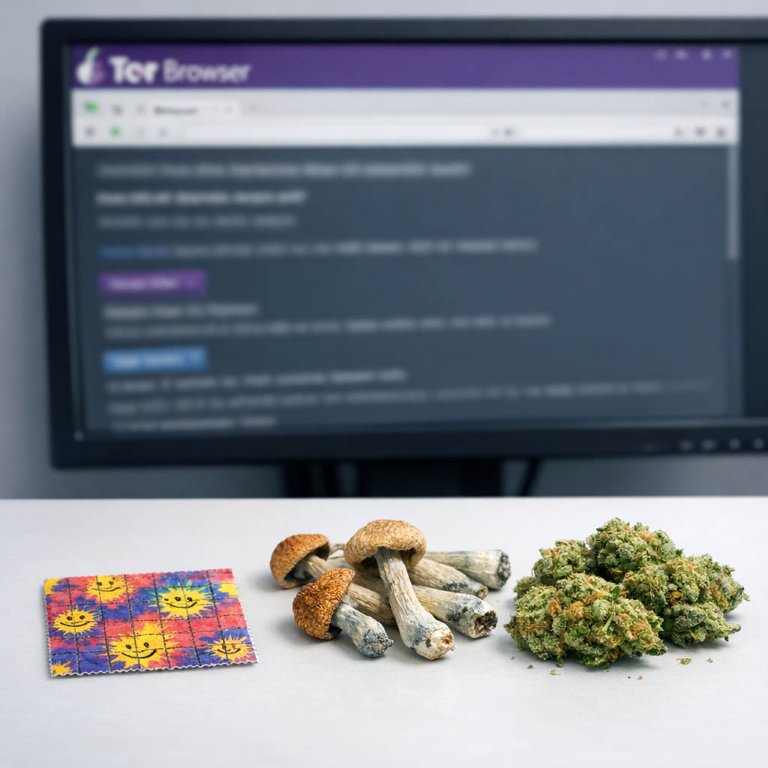
How Discreet Transactions Work on the Darknet
The operational model of a darknet marketplace is built on a foundation of discretion and cryptographic security. Transactions are designed to minimize exposure for both buyer and seller. The process begins with a buyer accessing the platform via Tor or similar anonymity software, which masks the user's IP address and physical location. Product selection is followed by a standardized checkout procedure where funds are placed into a multisignature escrow system. This system holds the cryptocurrency until the buyer confirms satisfactory receipt of the goods, preventing scams and building essential trust without a central authority.
Secure shopping relies heavily on the community's self-regulatory mechanisms. Before any purchase, a buyer examines a vendor's public profile and historical data. This includes:
- Detailed product reviews from previous customers, which often comment on stealth, quality, and shipping times.
- A transparent vendor rating score, calculated from completed transactions and feedback.
- The vendor's tenure on the platform and number of successful sales.
The final stage involves secure communication and fulfillment. Buyers and vendors use PGP-encrypted messages to exchange delivery details, ensuring this sensitive information is unreadable to anyone except the intended recipient. Packaging is handled with a focus on opaque stealth techniques to avoid detection during transit. Upon delivery, the buyer finalizes the transaction, releasing escrow funds to the vendor and often leaving a review. This closed-loop system, powered by cryptocurrency and encryption, creates a functional environment for discreet commerce where reputation is the primary currency.
How Trust is Built on a Darknet Market
Establishing reliability on a darknet marketplace is a process built on verifiable data and community consensus. The system functions through a transparent feedback loop where past transactions directly inform future ones. A vendor's reputation is not an abstract concept but a quantified metric, typically displayed as a percentage or score derived from countless individual interactions.
The cornerstone of this system is the vendor rating. This aggregate score, often broken down into categories like product quality, shipping speed, and communication, provides an immediate, at-a-glance assessment of performance. High ratings, sustained over hundreds of sales, signal consistent reliability. Buyers contribute to this ecosystem by leaving detailed product reviews. These reviews go beyond simple ratings, offering specific commentary on the accuracy of the product description, the stealth of the packaging, and the overall satisfaction with the transaction. This collective intelligence mitigates the risk for new participants by surfacing trustworthy vendors and identifying unreliable ones.
Effective navigation involves a methodical approach:
- Prioritize vendors with a long history and a high transaction count, as this indicates sustained operational security and customer satisfaction.
- Read recent reviews thoroughly, paying attention to comments on shipping times and packaging discretion.
- Cross-reference product listings with the vendor's overall rating to identify any inconsistencies.
This environment fosters a form of self-regulation. Vendors are economically incentivized to maintain high standards, as their business viability depends on their public reputation. Disputes are often managed through built-in escrow services, where funds are held by the platform until the buyer confirms satisfactory receipt of the product. This mechanism protects both parties and reinforces the market's functional stability. The result is a resilient commercial space where privacy and transactional security are maintained through practical, crowd-sourced verification rather than external oversight.