Darknet Markets 2026:
The dark web is part of the deep web but is built on darknets: overlay networks that sit on the internet but which can't be accessed without special tools or software like Tor. Tor is an anonymizing software tool that stands for The Onion Router — you can use the Tor network via Tor Browser.
| Darknet Market | Established | Total Listings | Link |
|---|---|---|---|
| TorZon Market | 2022 | 140+ | Onion Link |
| Nexus Market | 2024 | 600+ | Onion Link |
| Abacus Market | 2022 | 100+ | Onion Link |
| Ares | 2026 | 100+ | Onion Link |
| Cocorico | 2023 | 110+ | Onion Link |
Updated 2026-10-27
How Darknet Lists Help You Find the Right Market
Darknet market lists function as specialized directories for navigating the ecosystem of online platforms that facilitate trade. These lists provide a structured overview of active markets, presenting verified .onion URLs to ensure users can access the sites. The primary data displayed includes the market's operational status, its foundational date, and a direct link, which is essential for initial access.
The lists show more than just links; they offer a snapshot of each market's core features. This includes:
- The range of payment methods accepted, such as Bitcoin, Monero, or Litecoin.
- The availability and type of escrow services for securing transactions.
- Basic vendor statistics, like the total number of active sellers.
- Notations on unique selling points, such as multi-signature escrow or specific forum integrations.
By aggregating this data, a darknet market list transforms from a simple link collection into a comparative tool. It allows for an efficient preliminary analysis, enabling users to identify platforms that align with their preferences for currency, security model, and product variety without needing to visit each site individually first.
How to Find Reliable Darknet Markets
Darknet market lists function as a real-time directory, aggregating operational platforms. They verify a market's online status and functional capacity, which is fundamental for access. A listed market confirms it is currently reachable and not subject to takedowns or exit scams. Lists track the uptime and downtime of each platform, providing a historical record of stability.
These lists perform continuous checks for:
- Successful connection to the market's main URL and mirror links.
- Proper loading of the login and product listing pages.
- Functionality of core features like registration, shopping cart, and wallet deposits.
This monitoring separates active markets from defunct ones. Users rely on this data to avoid platforms that are offline, which often indicates a security compromise or administrative closure. An updated list directly supports safer shopping by directing traffic only to markets that are confirmed to be working. The process is automated, with lists refreshing their status reports multiple times per day to ensure accuracy for users making purchasing decisions.
Finding Products and New Items on the Darknet
A darknet market list functions as a real-time catalog, aggregating product inventories from multiple platforms. This provides a consolidated view of available goods, from common items to niche products, without needing to visit each market individually. The new listings section is particularly critical, as it highlights vendors who are actively stocking inventory and often introducing novel or higher-purity substances. Monitoring this feed allows a buyer to identify emerging trends and secure items before they sell out.
The breadth of categories visible on a comprehensive list includes:
- Stimulants and depressants
- Hallucinogens and psychedelics
- Prescription medications
- Precursor chemicals and cultivation supplies
This categorization enables efficient browsing. A list's ability to filter by product type, vendor location, or shipment destination directly supports safer shopping by facilitating connections with geographically suitable and reliable suppliers. The constant update cycle of these lists means the displayed product data reflects current market conditions, reducing the risk of attempting to purchase from a defunct or exit-scamming vendor.
How to Pick a Good Vendor Using Reviews and Ratings
A vendor's reputation is the most reliable metric for predicting transaction success on a darknet market. This reputation is quantified through a feedback system where buyers leave ratings and detailed reviews after completing a purchase. A high vendor score, typically displayed as a percentage, reflects consistent fulfillment of orders as described. Newer vendors often have a trust level or verification badge based on their history on previous markets, providing an initial credibility assessment.
User reviews offer qualitative data beyond the numerical score. Buyers comment on:
- Product quality and accuracy compared to the listing description.
- Shipping speed and stealth of packaging.
- The vendor's communication and professionalism.
Analyzing review patterns is critical. A vendor with thousands of transactions and a 98 positive rating is statistically safer than one with only a few sales. Look for detailed reviews that mention specific product effects or packaging methods, as these are harder to fake. Consistent reports of underweight products or poor communication, even with a high score, indicate a risk. Markets aggregate this data to generate vendor rankings, placing those with proven track records higher in search results, which directly facilitates safer shopping choices.
Choosing the Right Payment Method on the Darknet
The payment infrastructure of a darknet market is a primary determinant of its stability and user security. A functional market list provides a clear comparison of accepted cryptocurrencies and transaction processes, allowing for informed selection. Markets have largely transitioned from Bitcoin (BTC) to coins offering enhanced privacy, such as Monero (XMR). Monero's obfuscated ledger makes transactions significantly more difficult to trace compared to Bitcoin's transparent blockchain, which is a critical feature for operational security.
Beyond coin type, the payment methods themselves dictate the flow of funds. The standard model involves a direct wallet-to-wallet transfer, but the handling of funds varies:
- Direct Pay: Funds are sent from the buyer's wallet directly to the vendor's address, usually after the vendor provides it. This method offers speed but lacks buyer protection.
- Escrow Service: The market holds the buyer's funds in a secure wallet until the order is finalized. This system is the cornerstone of trust, preventing scams by ensuring vendors are paid only after successful delivery.
- Finalize Early (FE): A status where buyers are asked to release escrow funds to the vendor before receiving the product, often granted to trusted, high-ranking vendors. While it carries risk, it is a common practice for established sellers.
Markets also differ in their wallet management. Some utilize a single, central market wallet for all escrow transactions, while others generate a unique deposit address for each user to improve anonymity. The presence of multisignature (multisig) escrow options is a notable feature, requiring multiple cryptographic keys to release funds, thereby decentralizing trust away from the market administrators alone. A comprehensive list highlights these technical specifics, enabling buyers to choose platforms whose payment architecture aligns with their priorities for privacy, security, and convenience.

How Escrow and Disputes Make Darknet Shopping Safer
An escrow service acts as a trusted third party in a transaction, holding the buyer's payment until the product is received and confirmed. This system is a fundamental feature for secure shopping on darknet markets, directly addressing the inherent risk of anonymous trade. When a buyer places an order, their cryptocurrency is locked in escrow by the market. The vendor then ships the product. Only after the buyer confirms successful delivery does the market release the funds to the vendor.
This mechanism creates a balanced environment. It protects buyers from vendors who might not send the product, as funds are not released without confirmation. Simultaneously, it incentivizes vendors to provide quality products and reliable shipping to ensure they get paid. Dispute resolution is the next logical step when this process encounters problems. If a buyer reports an issuesuch as a non-arrival, a significantly underweight product, or a substitutiona dispute is opened. The funds remain in escrow while the market's staff, often called moderators, review the evidence provided by both parties. This can include:
- Tracking information and proof of postage from the vendor.
- Photographic evidence of the received package and its contents from the buyer.
- Communication logs between the buyer and vendor.
The moderator analyzes this evidence to make a fair judgment on releasing all or a portion of the escrowed funds. A market's approach to escrow and disputes is a critical metric for its reliability. Updated darknet market lists provide essential data on this, showing which platforms maintain robust and impartial escrow systems. Lists often highlight markets that use multisignature (multisig) escrow, a more advanced method where the buyer, vendor, and market each hold a cryptographic key, requiring two of three to release funds. This further decentralizes trust and reduces the risk of market exit scams. For a buyer, choosing a market with a strong, transparent escrow and dispute process, as indicated by these lists, is a direct step toward safer and more confident shopping.
How Darknet Lists Rank Markets Using Sales and Reviews
Darknet market lists function as aggregators of transactional trust. They automate the collection of public data from market APIs and user submissions, transforming raw numbers into a comparative ranking system. This process begins with tracking a market's total sales volume and number of completed transactions. A higher volume indicates a larger, more active platform, which often correlates with operational stability and a wider product selection.
User-generated feedback is the second critical data stream. Lists compile and average vendor and market ratings, typically on a five-star scale. These ratings are based on specific transaction aspects:
- Product quality matching the description
- Shipping speed and stealth of packaging
- Vendor communication and professionalism
The ranking algorithm weights this sales and review data. A market with consistently high ratings but moderate sales may rank above one with massive sales but poor feedback. This prevents platforms that sacrifice reliability for growth from dominating the top positions. Lists often display:
- A numerical rank or score
- Traffic indicators (e.g., "High" or "Low")
- Uptime statistics showing reliability
This data-driven ranking allows buyers to identify established and reliable markets efficiently. A top-ranked market is statistically more likely to host reputable vendors and complete transactions successfully. The system creates a self-reinforcing cycle where markets and vendors are incentivized to maintain high service standards to preserve their ranking, directly contributing to a safer and more predictable shopping environment for the user.
How Updated Lists Help You Shop on the Darknet
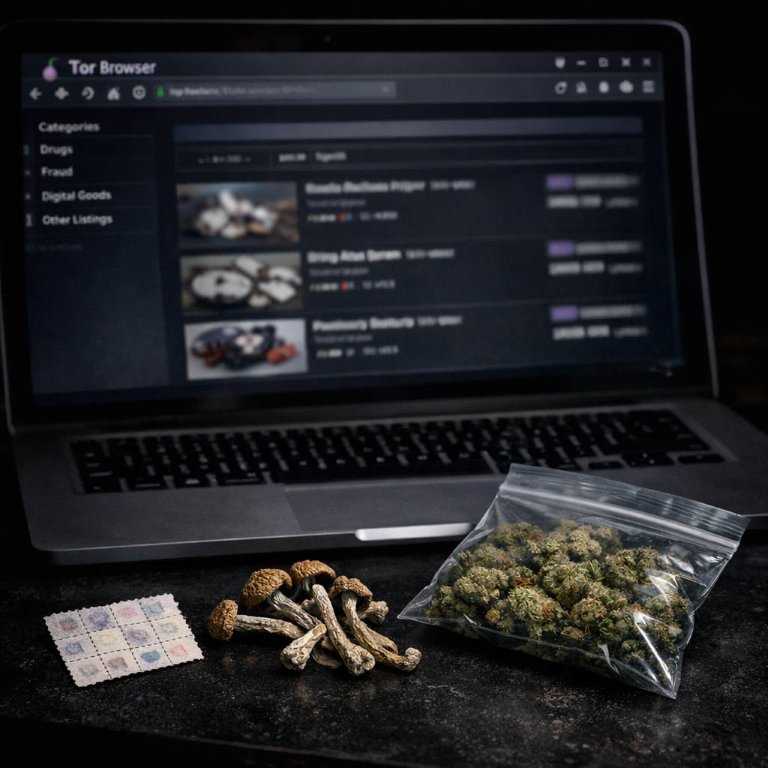
An updated darknet market list functions as a dynamic filter for the ecosystem, directly influencing procurement efficiency and security. The primary utility lies in its real-time validation of market uptime and operational status. A list that refreshes frequently removes defunct or exit-scam platforms from consideration, channeling users toward active and functional venues. This immediate data prevents wasted time and reduces exposure to fraudulent sites that mimic legitimate markets.
Beyond basic availability, current lists provide a snapshot of market vitality and specialization. They track new product listings and vendor registrations, indicating a platform's growth and diversity of supply. A market featuring a consistent influx of new vendors and products suggests a healthy, competitive environment. This data allows for a procurement strategy aligned with specific product categories, whether common or niche.
The critical analytical function is the aggregation of user feedback and resolution metrics. Updated lists compile recent vendor ratings and dispute outcomes, offering a transparent view of reliability. Key metrics to cross-reference include:
- Escrow release rates and auto-finalize timer durations
- Frequency and resolution success of support tickets
- Volume of recent sales and buyer reviews
Payment method information is equally fluid. An updated list details which markets accept Monero (XMR) versus Bitcoin (BTC), a factor significantly affecting transactional privacy. It also monitors changes in supported escrow typesmultisig versus centralizedand any shifts in commission fees. This financial landscape analysis ensures the chosen platform aligns with current best practices for asset security.
Ultimately, consistent consultation of a maintained list transforms selection from a static choice into a responsive process. It enables the identification of markets demonstrating stability, robust vendor activity, and positive recent user experiences, thereby optimizing for both safety and procurement satisfaction.